
As I stood in my kitchen, the aroma of buttery crust and creamy filling wafted through the air, sending my taste buds into a delightful dance. This authentic German cheesecake, or Käsekuchen, is a treasure from my culinary adventures, effortlessly bringing a slice of Germany to my table. The beauty of this classic German cheesecake lies not only in its light, fluffy texture but also in its versatility; with options for both quark and a cream cheese-Greek yogurt mix, you can choose your preferred path to cheesecakey bliss. What makes this dessert truly special is its ability to unite friends and family around the dining table, whether it’s a festive gathering or a cozy weeknight treat. With minimal prep time and delicious results, this recipe is bound to become your new favorite go-to. What creative toppings will you choose to elevate this delightful dessert?
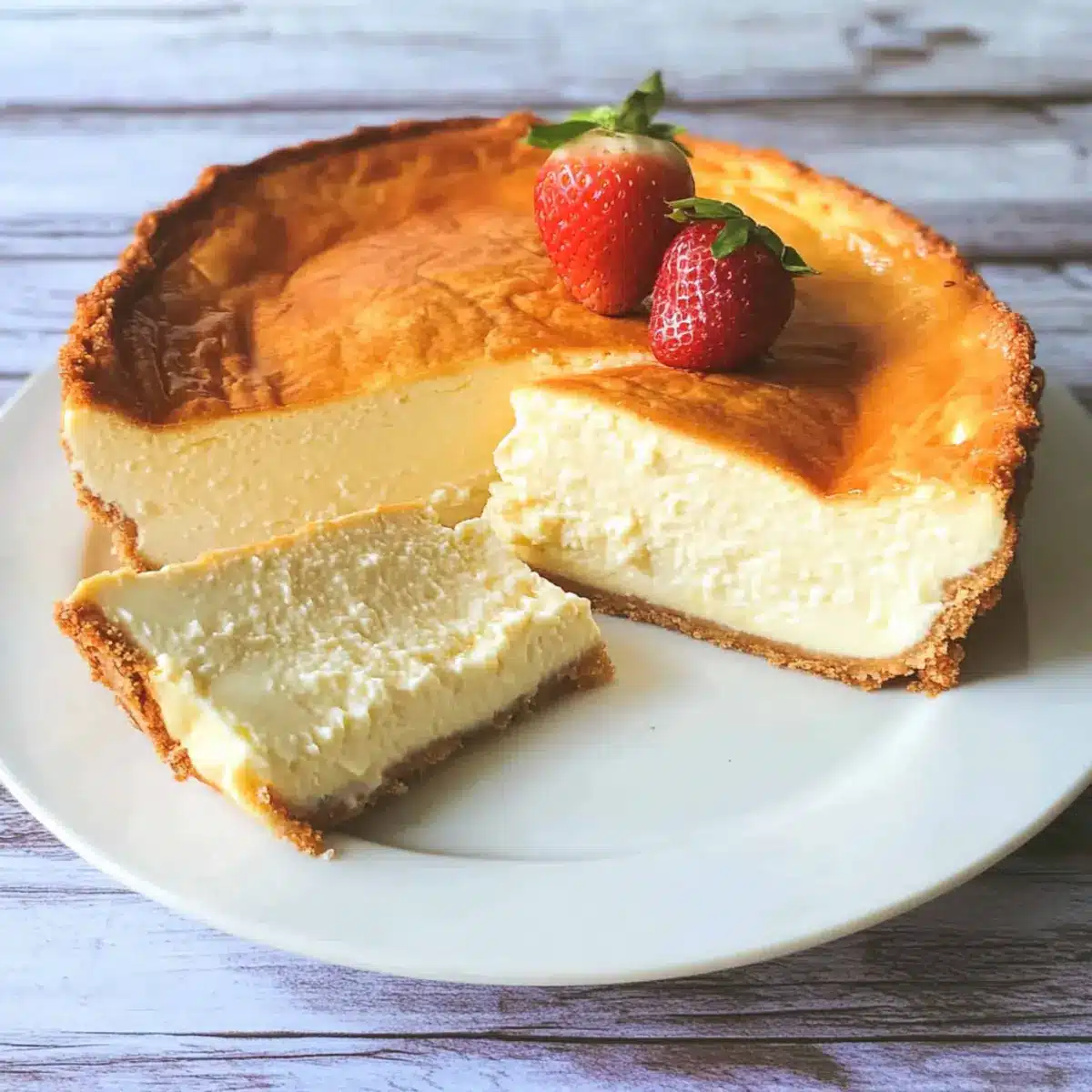
Why is This Cheesecake So Irresistible?
Light, Fluffy Texture: This classic German cheesecake offers a delicate mouthfeel that contrasts beautifully with its buttery crust, ensuring every bite is a cloud-like experience.
Versatile Options: Whether you prefer the traditional quark or the modern cream cheese and Greek yogurt blend, you can effortlessly personalize this dessert to suit your taste or dietary needs.
Crowd-Pleasing Delight: Perfect for both festive gatherings and casual dinners, this cheesecake is sure to impress your guests and become a staple on your dessert table.
Easy Preparation: With simple steps and common ingredients, you’ll find this cheesecake is not only delicious but also quick to whip up.
Endless Topping Possibilities: From fresh berries to chocolate drizzles, the options for customizing your cheesecake are limitless, making every serving a unique experience. For a twist on flavor, consider pairing it with fruits from the naturally sweet Apple Cinnamon German Pancake for a delightful combination!
Classic German Cheesecake Ingredients
For the Crust
• Butter (½ cup / 115 g) – Provides richness and flavor; make sure it’s at room temperature for easier mixing.
• Sugar (½ cup / 100 g) – Sweetens the crust; granulated sugar is preferred for a clean taste.
• Flour (2 cups / 250 g) – Forms the base structure; using Germany type 405 flour will yield the best results.
• Baking Powder (1 tsp) – Acts as a leavening agent, helping the crust rise; always check freshness for best results.
• Egg (1 medium) – Binds ingredients together; make sure it’s at room temperature for better blending.
For the Filling
• Quark (2 lb / 1,000 g) or Cream Cheese + Greek Yogurt (500 g each) – The main component for cheesecake fluffiness; the quark offers a traditional taste, while the cream cheese mix is a great alternative.
• Granulated Sugar (1 cup / 200 g) – Sweetens the filling for that irresistible flavor.
• Whipping Cream (¾ cup / 180 ml) – Adds lightness and creaminess; whip it to stiff peaks for the best texture.
• Medium Eggs (5) – Enhances richness and provides structure in the filling; simply ensure they are at room temperature.
• Corn Starch (¼ cup / 4 tbsp) – Thickens the filling and stabilizes texture; you can use vanilla pudding powder as a substitute.
• Vanilla Extract (1 tsp) – Adds depth of flavor, enriching your classic German cheesecake.
• Grated Lemon Zest (1 tsp) – Provides a fresh zing to brighten the flavors.
Embrace the delightful taste of this classic German cheesecake! As you assemble these ingredients, imagine how they will come together to create a dessert that not only satisfies but also brings joy to your gatherings.
Step‑by‑Step Instructions for classic German cheesecake
Step 1: Preheat Oven
Begin by preheating your oven to 180°C (356°F), ensuring it’s fully heated before baking. This step is crucial for achieving the best results and a perfectly baked classic German cheesecake. As the oven warms up, gather your ingredients and have your 26cm springform pan ready for the buttery shortcrust base.
Step 2: Make Shortcrust Base
In a mixing bowl, beat the softened butter with ½ cup of sugar until creamy and light. Add in the medium egg, flour, and baking powder, mixing until a soft dough forms. Once combined, roll out the dough between two sheets of parchment paper before pressing it into the prepared springform pan, making sure to cover the base and sides evenly.
Step 3: Prepare Filling
In a separate bowl, whip ¾ cup of whipping cream to stiff peaks, setting it aside. In another larger bowl, blend the quark (or cream cheese and Greek yogurt mix), 1 cup of granulated sugar, five medium eggs, corn starch, grated lemon zest, and vanilla extract until the mixture is smooth and well combined. Gently fold in the whipped cream, being careful not to deflate the airiness.
Step 4: Bake Cheesecake
Pour the creamy filling into the crust, smoothing the top evenly. Bake your classic German cheesecake in the preheated oven for 30 minutes, then carefully make a circular incision around the edges of the cheesecake using a knife. This step helps prevent cracking as it bakes for another 30 minutes; the filling should appear set but slightly jiggly in the center when done.
Step 5: Cool and Set
Once done baking, turn off the oven and crack the door open, allowing the cheesecake to cool inside for 1 hour. This gradual cooling is essential to minimize cracking and helps develop the perfect texture in your classic German cheesecake, giving it that delightful, fluffy quality.
Step 6: Chill and Serve
After cooling in the oven, remove the cheesecake from the pan and transfer it to the fridge to chill for at least 4 hours, or preferably overnight. Chilling allows the flavors to meld beautifully. When ready to serve, slice with a warm, sharp knife for clean edges, and consider topping with fresh berries or a drizzle of your favorite sauce to enhance this delightful dessert.
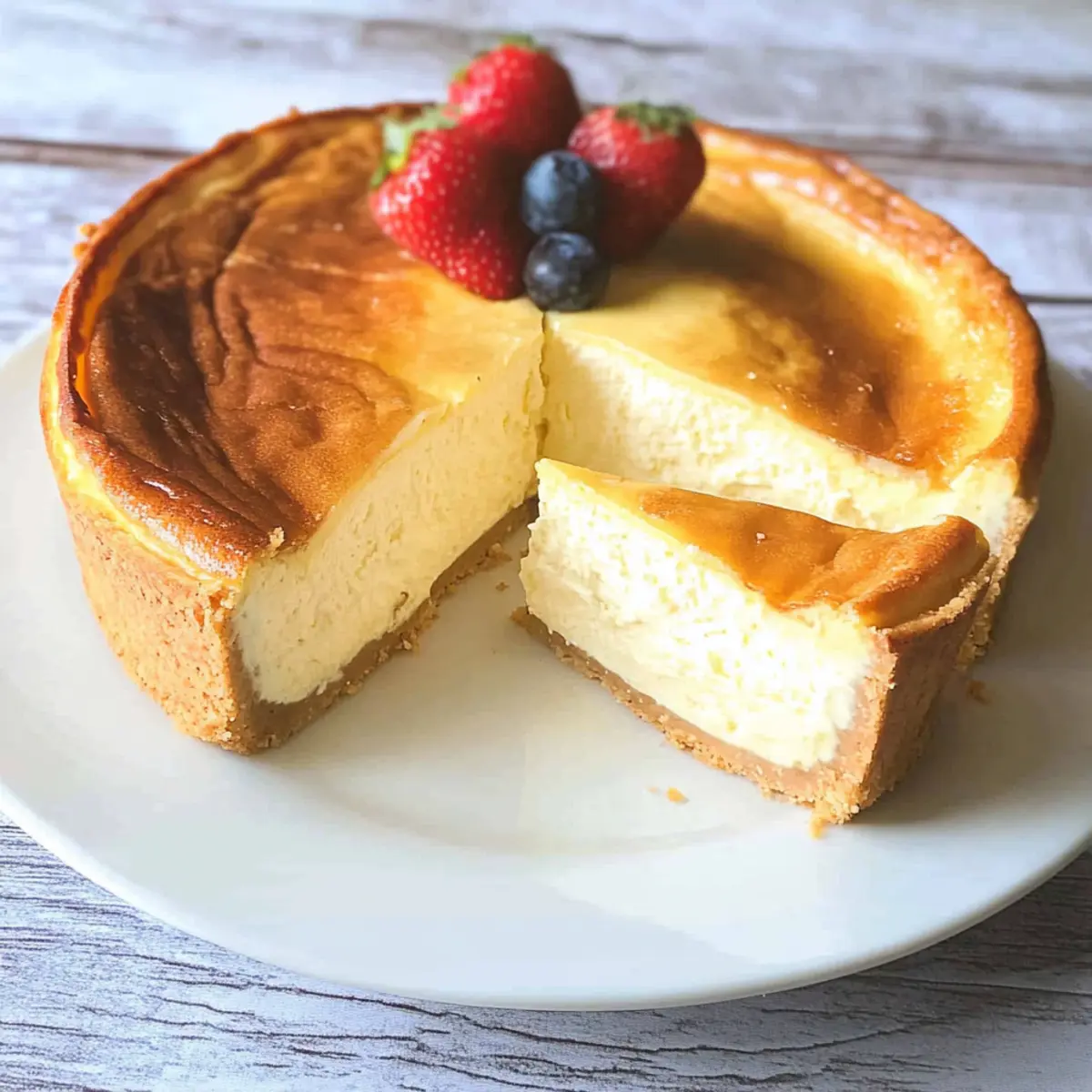
Expert Tips for Classic German Cheesecake
-
Room Temperature Ingredients: Ensure that all dairy products and eggs are at room temperature to create a smoother batter and achieve a fluffy classic German cheesecake.
-
Prevent Cracking: Make that circular incision around the filling after the first 30 minutes of baking; this technique helps prevent cracks from forming during the second baking phase.
-
Gentle Folding: When incorporating the whipped cream into the filling, fold gently to maintain the airy texture; overmixing can deflate the mixture, resulting in denser cheesecake.
-
Check Doneness: Always perform the skewer test to check for doneness. Your classic German cheesecake should look set, with a slight jiggle in the center—this indicates a perfectly baked cheesecake.
-
Chill for Flavor: Don’t skip the chilling step! Letting the cheesecake rest in the fridge for at least 4 hours allows the flavors to meld, ensuring a more delicious result.
What to Serve with Authentic German Cheesecake (Käsekuchen)
Elevate your dessert experience with delightful pairings that perfectly complement the creamy and tangy flavors of this light cheesecake.
-
Fresh Berries: The burst of sweetness from ripe strawberries or blueberries adds a refreshing contrast to the cheesecake’s richness, creating a harmonious balance.
-
Fruit Compote: A warm compote of mixed fruits drizzled over the cheesecake brings a vibrant, tangy element that enhances its flavors spectacularly.
-
Whipped Cream: A dollop of lightly sweetened whipped cream adds an airy texture, elevating each bite to an indulgently creamy experience.
-
Coffee or Espresso: A cup of robust coffee or a shot of espresso cuts through the sweetness and complements the creamy texture perfectly. The depth of flavor enhances the overall dessert enjoyment.
-
Chocolate Sauce: Drizzling silky chocolate sauce over the cheesecake adds a decadent touch, creating a rich pleasure in every mouthful. This pairs beautifully with the tangy notes of the cheesecake.
-
Lemon Zest Garnish: For a burst of freshness, sprinkle some grated lemon zest on top; it brightens the dessert and complements the cheesecake’s zesty undertones beautifully.
By embracing these combinations, you can ensure that your classic German cheesecake shines even brighter on your dessert table, making each serving a delicious experience!
Storage Tips for Classic German Cheesecake
Fridge: Store your classic German cheesecake in an airtight container for up to 3-4 days to maintain its creamy texture and flavor.
Freezer: For longer storage, freeze individual slices wrapped tightly in plastic wrap and then foil. They can last up to 3 months without sacrificing taste.
Thawing: To enjoy your frozen cheesecake, defrost slices at room temperature for about 1-2 hours before serving. This ensures a smooth and delightful creamy texture.
Reheating: While it’s best enjoyed chilled, you can lightly warm slices in the microwave for about 10-15 seconds if you prefer a softer texture or to enhance flavors.
Make Ahead Options
This classic German cheesecake is perfect for busy cooks looking to streamline their meal planning! You can prepare the crust and filling separately up to 24 hours in advance. Simply make the shortcrust base and press it into the springform pan, then cover and refrigerate. For the filling, mix the quark (or cream cheese and Greek yogurt) with the other ingredients, but wait to fold in the whipped cream until just before baking to preserve its airy texture. Once combined, pour the filling over the crust and bake as directed. By prepping these components ahead of time, you’ll save precious hours on serving day while ensuring your cheesecake remains just as delicious and impressive!
Classic German Cheesecake Variations
Feel free to let your creativity shine as you adapt this classic German cheesecake to your liking!
-
Fruit Toppings: Top with fresh fruits like strawberries or blueberries for a burst of color and flavor. Consider making a vibrant fruit compote for an extra sweet touch. The juicy bursts of fruit will elevate every bite, making it visually stunning too.
-
Chocolate Chips: Stir in chocolate chips for a delightful twist on the classic flavor. This adds a fun chewy texture, making each forkful surprising and indulgent.
-
Chocolate Crust: Swap out traditional crust ingredients by using crushed chocolate cookies for a fun, chocolatey base. The rich crust beautifully contrasts with the light filling, creating an irresistible combination.
-
Zesty Twist: Incorporate orange zest instead of lemon zest for a fresh citrus note with a twist. This substitution lends a sunny brightness to the cake that pairs perfectly with the creamy filling.
-
Nutty Crunch: Add crushed nuts like almonds or hazelnuts to the crust for additional depth and crunch. Not only will it boost flavor, but it also adds a lovely textural element that complements the cheesecake beautifully.
-
Spiced Variation: Mix in a pinch of cinnamon or nutmeg to the filling for a warm, aromatic flavor profile. Spices add a comforting element, especially enjoyable during holiday gatherings or cozy nights in.
-
Dairy-Free Option: Use a plant-based cream cheese alternative along with coconut cream for a dairy-free cheesecake that doesn’t compromise on taste. This creamy substitute allows everyone to enjoy a slice of deliciousness!
As you embark on this delightful baking journey, you might also enjoy pairing your cheesecake with the rich flavors of Apple Cinnamon German Pancake or indulge in the classic taste of Japanese Cotton Cheesecake. Each of these desserts brings unique touches that will delight your family and friends. Enjoy customizing your cheesecake experience!
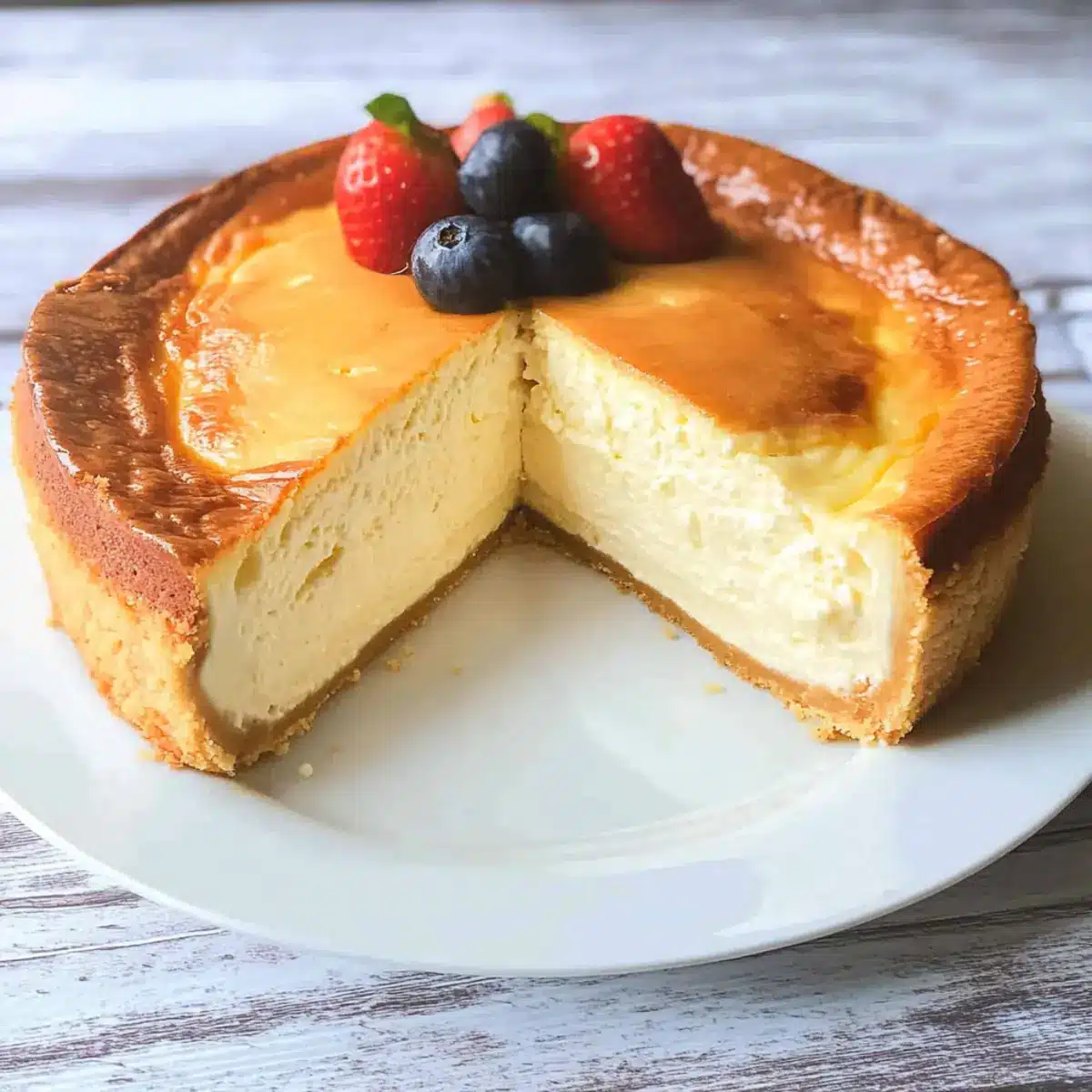
Classic German Cheesecake Recipe FAQs
What type of quark should I use for the cheesecake?
To ensure the best flavor and texture, I recommend using fresh, whole milk quark. It’s usually available in grocery stores or specialty European markets. If you can’t find quark, a mixture of cream cheese and Greek yogurt (500 g each) serves as a delicious alternative that still captures the essence of a classic German cheesecake.
How should I store my cheesecake after baking?
After your classic German cheesecake has cooled completely, store it in the refrigerator in an airtight container. This will help maintain its creamy texture and keep it fresh for 3 to 4 days. If you’d like to enjoy it longer, you can freeze it; just ensure to wrap slices tightly in plastic wrap followed by foil.
Can I freeze my classic German cheesecake?
Absolutely! Freezing your cheesecake is a fantastic way to preserve it for later. Slice the cheesecake and wrap each piece in plastic wrap, then place them in a freezer-safe container or bag. Your cheesecake can stay frozen for up to 3 months without losing flavor. When you’re ready to enjoy, just thaw the slices at room temperature for about 1-2 hours before serving.
Why is my cheesecake cracking during baking?
Cracking can occur for a couple of reasons, but don’t worry, it’s common! To prevent this, be sure to make a circular incision around the edges of the filling after the first 30 minutes of baking; this allows the cheesecake to expand evenly. Additionally, avoid overbaking and monitor your oven’s temperature, as each oven can vary. The cake should jiggle slightly in the center when done.
Is this cheesecake safe for those with dairy allergies?
Unfortunately, this classic German cheesecake contains several dairy ingredients, including quark, cream cheese, and whipping cream, making it unsuitable for anyone with lactose intolerance or dairy allergies. If you’re looking for a dairy-free option, you can experiment with non-dairy cream cheese and coconut cream instead, but results may vary in texture and flavor.
Why does it take so long for the cheesecake to cool in the oven?
Letting the cheesecake sit in the oven for an hour after baking is crucial! It cools gradually, which helps prevent cracks from forming and allows the cheesecake to set perfectly. This step is especially important for achieving that light, fluffy texture. Patience is key when making a classic German cheesecake!
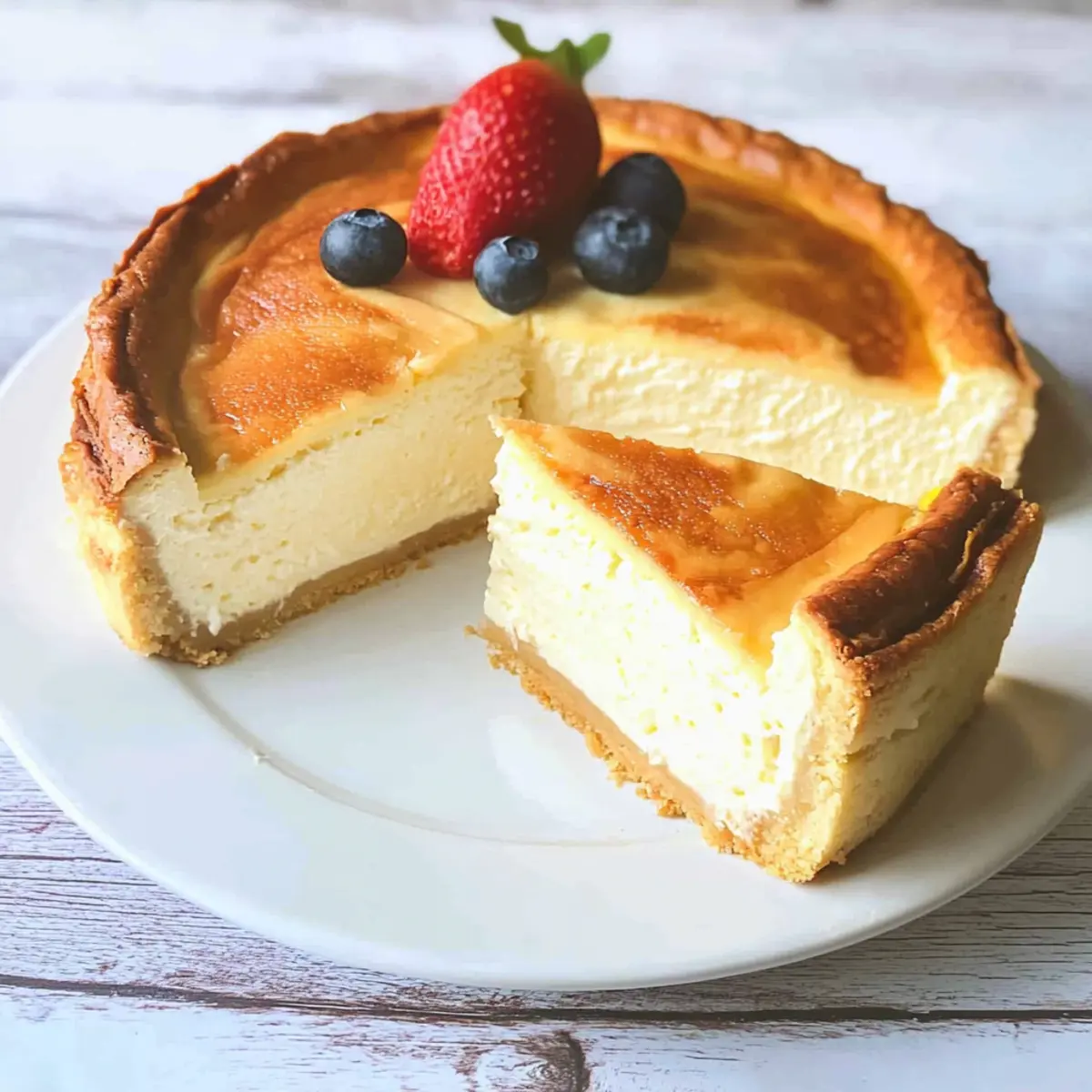
Classic German Cheesecake Recipe That Melts in Your Mouth
Ingredients
Equipment
Method
- Preheat your oven to 180°C (356°F).
- Beat the softened butter with ½ cup of sugar until creamy. Add the egg, flour, and baking powder, mixing until a soft dough forms.
- Roll out the dough between two sheets of parchment paper and press it into the prepared springform pan, covering the base and sides evenly.
- Whip the cream to stiff peaks and set aside. In a larger bowl, combine quark (or cream cheese and Greek yogurt), 1 cup of sugar, eggs, corn starch, lemon zest, and vanilla extract until smooth. Gently fold in the whipped cream.
- Pour the filling into the crust. Bake for 30 minutes, then make a circular incision around the edges. Bake for another 30 minutes until the filling is set but slightly jiggly.
- Turn off the oven and crack the door open, allowing the cheesecake to cool inside for 1 hour.
- Remove the cheesecake from the pan and chill in the fridge for at least 4 hours or overnight before serving.
Leave a Reply