
As I flipped the first pancake, the sizzling sound cut through the quiet of my kitchen, a confident invitation to all things fresh and savory. These crispy Korean Vegetable Pancakes, or Yachaejeon, are my go-to when I’m craving something quick, easy, and packed with color. In just a few simple steps, you can whip up a delightful dish that’s perfect as a snack, side, or light meal. Each bite is a blend of tender veggies enveloped in golden, crispy edges, served with a delectable soy dipping sauce that seals the deal. Plus, this vegetarian delight offers an irresistible gluten-free option that everyone will appreciate. Curious about how these little wonders come together? Let’s dive into the deliciousness!
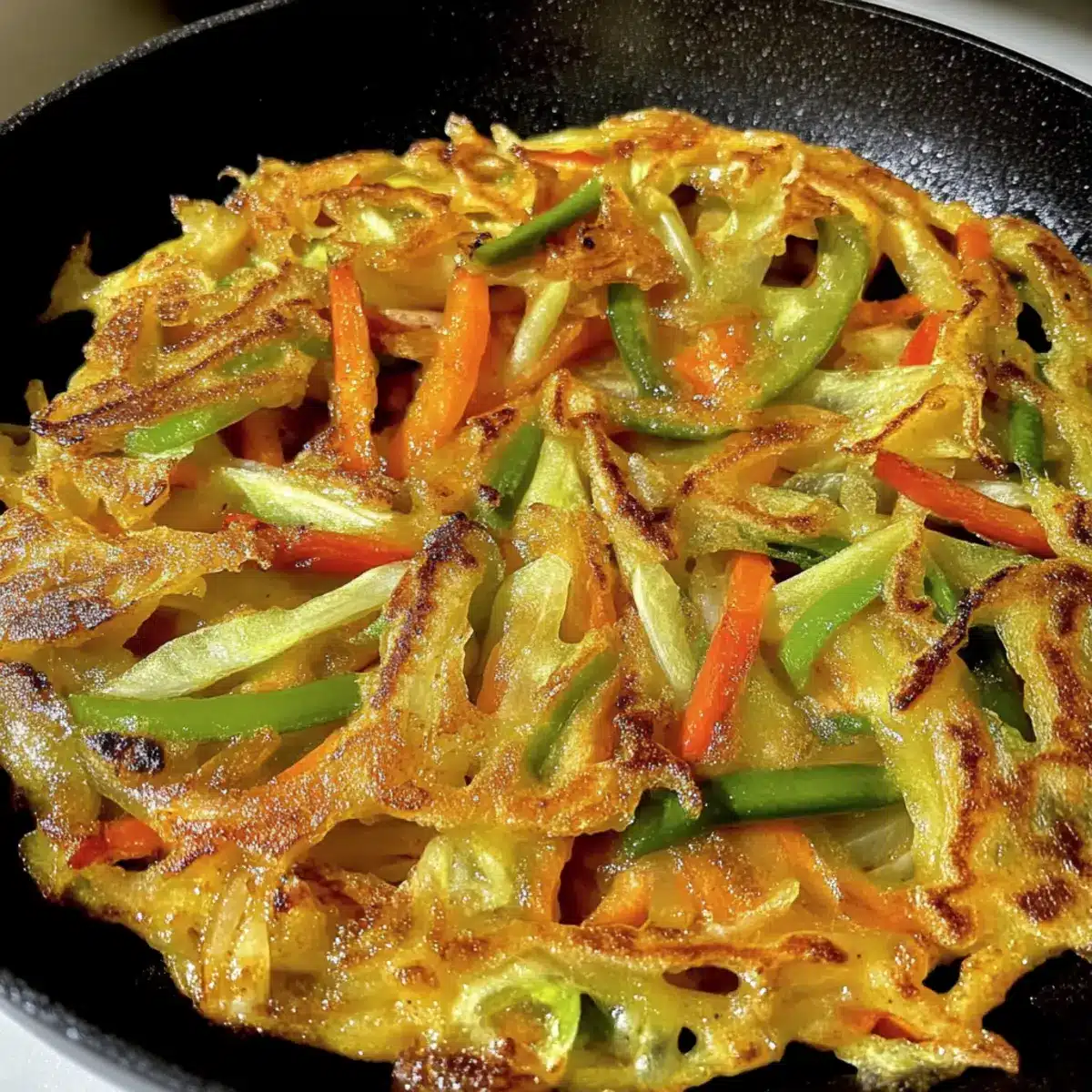
Why Try These Korean Vegetable Pancakes?
Crispy Texture: Each pancake emerges with perfectly crispy edges and a tender center, making every bite a joy.
Vibrant Flavors: Packed with fresh vegetables like carrots, red onions, and green onions, these pancakes celebrate a rainbow of tastes.
Quick to Make: Ideal for busy weeknights, they come together in minutes, giving you more time to enjoy with family.
Versatile Dish: Whether as a side dish or a snack, they fit perfectly into any meal, just like the delicious Winter Vegetable Casserole or Korean Beef Sloppy Joes.
Gluten-Free Option: Simply swap in gluten-free flour to cater to dietary needs without sacrificing flavor.
Crowd Pleaser: Got friends over? They’ll love these! The dipping sauce adds an extra layer of deliciousness that’s hard to resist.
Korean Vegetable Pancakes Ingredients
For the Batter
• Flour – Main structure base for pancakes; use gluten-free flour for a gluten-free option.
• Cornstarch – Adds crispiness to achieve that perfect texture.
• Water – Hydrates the batter to reach the right consistency.
• Turmeric – Provides color and flavor, enhancing the dish’s presentation.
• Salt – Elevates the overall flavor of the pancakes.
• Baking Powder – Acts as a leavening agent to help the pancakes rise slightly.
For the Vegetables
• Green Onions – Offers freshness and savory flavor; chop finely for even distribution.
• Red Onion – Adds sweetness and crunch; can be substituted with shallots if desired.
• Carrot – Introduces sweetness and color; grate for a finer texture if preferred.
• Red Pepper – Adds a touch of sweetness and vibrant color.
• Cabbage – Brings crunch and a mild flavor to the mix.
• Hot Pepper – For a kick of heat; adjust the amount based on spice preference.
For Cooking & Dipping Sauce
• Oil – Used for frying; opt for a neutral oil for perfect cooking.
• Soy Sauce – Base for the dipping sauce, enhancing umami flavor.
• Rice Vinegar – Adds acidity; lime juice makes a good substitute.
• Toasted Sesame Seeds – Infuses a nutty flavor into the sauce.
• Chili Flakes – Adds heat to the sauce; customize according to your taste.
• Sesame Oil – Delivers rich flavor to elevate the dipping experience.
Step‑by‑Step Instructions for Korean Vegetable Pancakes
Step 1: Prepare Vegetables
Slice the green onions, red onion, carrot, red pepper, and cabbage, and chop the hot pepper finely. Once cut, set the vegetables aside in a bowl. This colorful medley will not only bring vibrancy to your Korean Vegetable Pancakes but also ensure an even distribution of flavor throughout the batter.
Step 2: Make Batter
In a large mixing bowl, whisk together the flour, cornstarch, turmeric, salt, baking powder, and water until the mixture is smooth and lump-free. Aim for a thick but pourable consistency; adjust the water as needed. This batter forms the delicious base for your crispy Korean Vegetable Pancakes, providing both structure and flavor.
Step 3: Combine Ingredients
Gently fold the prepared vegetables into the batter, making sure they are evenly coated throughout. This ensures that every bite of your Korean Vegetable Pancakes is packed with fresh flavors. Mix with a spatula, but be careful not to over-mix; you want to keep the batter light and airy for optimal crispiness.
Step 4: Make Dipping Sauce
In a small bowl, combine soy sauce, sesame oil, rice vinegar, toasted sesame seeds, and chili flakes. Whisk the mixture until well blended, allowing the flavors to meld beautifully. This dipping sauce will perfectly complement your pancakes and enhance the overall culinary experience, adding a delightful zing.
Step 5: Heat Pan
Place a non-stick frying pan over medium heat and add a generous amount of oil, allowing it to heat for about 2-3 minutes. The oil should shimmer but not smoke, as this will ensure that your Korean Vegetable Pancakes fry to a perfect golden crisp without burning.
Step 6: Cook Pancakes
Spoon a portion of your batter into the hot pan, gently spreading it into a thin, even layer. Cook the pancake for approximately 3-4 minutes, or until the edges turn golden and crisp. Once it’s beautifully golden, flip the pancake carefully using a spatula, cooking the other side for another 3-4 minutes.
Step 7: Repeat Cooking
Continue cooking the remaining batter in batches, adding more oil to the pan as needed to keep the pancakes from sticking. Maintain the same frying temperature, ensuring a consistent crispness throughout all your Korean Vegetable Pancakes. Stack cooked pancakes on a plate lined with paper towels to absorb any excess oil.
Step 8: Serve
Serve the warm Korean Vegetable Pancakes immediately with the prepared dipping sauce on the side. Enjoy the delightful crunch and vibrant flavors at your next meal or snack time, making sure to savor each delicious bite with that scrumptious sauce!
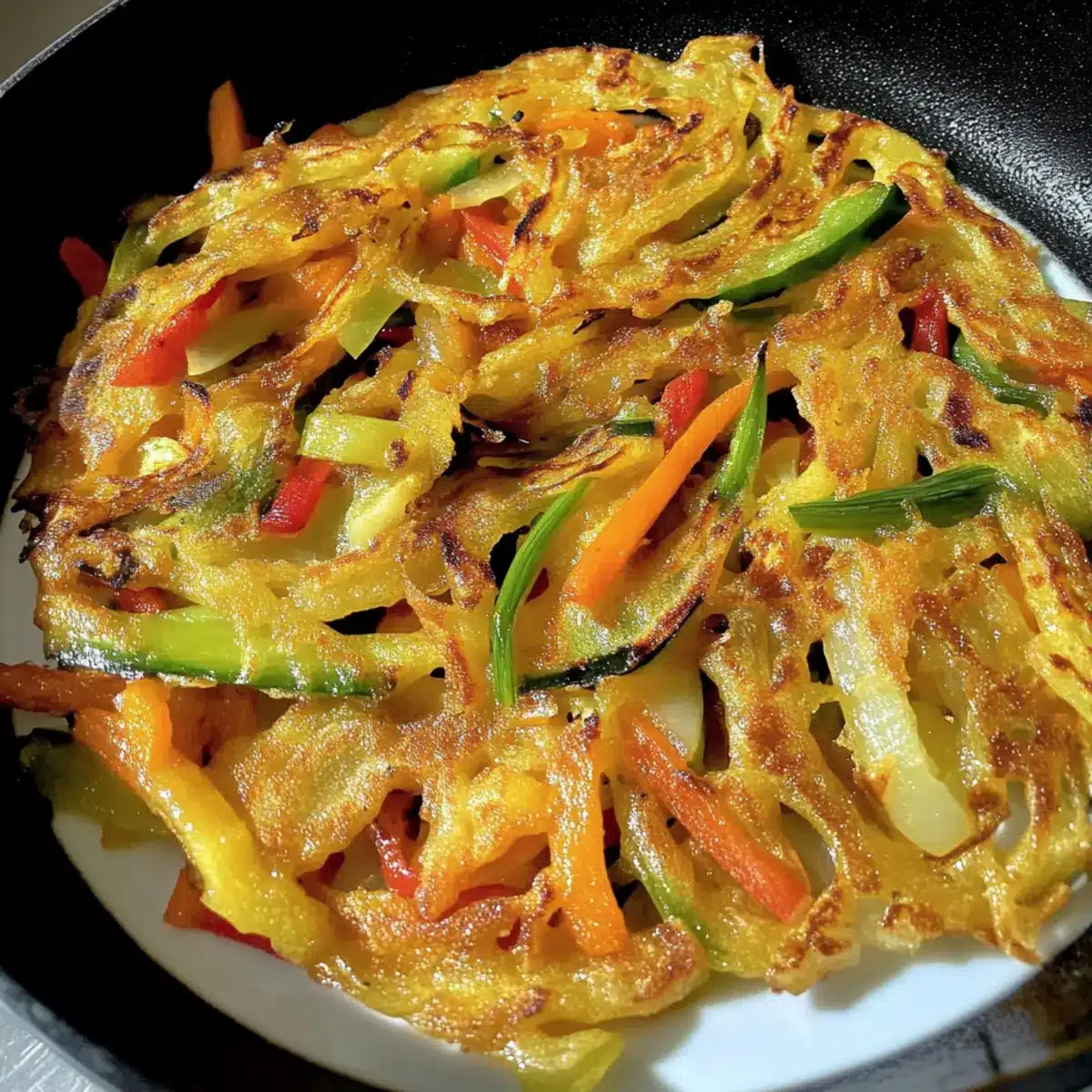
Storage Tips for Korean Vegetable Pancakes
Fridge: Store leftovers in an airtight container and refrigerate for up to 3 days to retain freshness and flavor.
Freezer: For longer storage, place pancakes in a single layer on a baking sheet and freeze until solid. Then, transfer to an airtight container or freezer bag for up to 2 months.
Reheating: To maintain crispiness, reheat pancakes in a hot skillet with a little oil for 2-3 minutes on each side, ensuring they are warmed through.
What to Serve with Crispy Korean Vegetable Pancakes?
Elevate your mealtime with exciting pairings that perfectly complement these delightful, crispy bites of flavor.
-
Fresh Cucumber Salad: The crispness of cucumber salad provides a refreshing contrast to the golden pancakes, enhancing every bite with a crunchy, cooling element. Toss thinly sliced cucumbers with rice vinegar, a sprinkle of sesame seeds, and a touch of salt to brighten your dish.
-
Spicy Kimchi: The bold, fermented flavors of kimchi offer a tangy kick, perfectly balancing the savory nature of the pancakes. The spiciness complements the gentle heat of the hot peppers within the pancakes, creating a harmony of taste.
-
Miso Soup: This warm, umami-rich soup creates a comforting balance to the crispy pancakes. The broth’s gentle saltiness and depth pair beautifully, making for a truly satisfying meal, especially on chilly days.
-
Rice and Vegetable Stir-Fry: A light stir-fry with seasonal vegetables and a splash of soy sauce adds a delightful heartiness to your meal. The extra layers of flavor from the stir-fried veggies work wonderfully alongside the pancake’s crispiness.
-
Sweet Potato Fries: These fries bring a slightly sweet, soft texture that contrasts well with the crunchy pancakes. Their natural sweetness complements the savory elements in the pancakes, resulting in a delicious duo.
-
Chilled Green Tea: Refreshing and light, chilled green tea helps cleanse the palate between bites. Its grassy notes enhance the fresh flavors of the vegetable pancakes, making for a revitalizing pairing.
-
Fruit Sorbet: For a sweet ending, serve a scoop of fruit sorbet. The cool, fruity flavors create a delightful contrast after the savory pancakes, leaving you with a refreshing finish.
Korean Vegetable Pancakes: Variations & Substitutions
Customize your Korean Vegetable Pancakes for even more delightful flavors and textures that will elevate your dish to new heights!
-
Dairy-Free: Use plant-based milk instead of water for a creamier batter.
-
Added Protein: Incorporate silken tofu into the batter for a protein boost and extra creaminess, perfect for a filling meal.
-
Extra Crispy: Mix in some grated zucchini to add moisture and a crispier texture once cooked, enhancing that satisfying crunch.
-
Sweet Twist: Add a tablespoon of honey or maple syrup to the batter for a hint of natural sweetness that balances the savory flavors.
-
Mushroom Add-In: Fold in thinly sliced shiitake or oyster mushrooms for an umami punch that makes each bite incredibly savory.
-
Herbal Infusion: Add fresh herbs, like chopped cilantro or parsley, to your batter for a burst of freshness that brightens up each pancake.
-
Spicy Kick: For heat, mix in additional chili flakes or a dash of Sriracha in the dipping sauce to cater to spice enthusiasts.
-
Vegetable Swap: Substitute any vegetables based on availability, like bell peppers or spinach, just as you’d do with delicious Pan Greek Vegetables.
The versatility of these pancakes allows you to truly make them your own! Experiment as you please and enjoy the delightful flavors that unfold with each variation.
Expert Tips for Korean Vegetable Pancakes
-
Crispiness is Key: Ensure the oil is hot enough before adding the batter; this helps achieve that signature crunchy texture of the Korean Vegetable Pancakes.
-
Proper Thickness: Adjust the water in your batter for desired thickness; too thin can lead to soggy pancakes, while too thick may not cook evenly.
-
Cook in Batches: Fry smaller pancakes for even cooking and easier flipping. They’ll develop that golden crust more effectively!
-
Fresh Ingredients: Use fresh vegetables for the best flavor. Dull veggies can compromise the delightful tastes we want in our Korean Vegetable Pancakes.
-
Serve Immediately: For optimum crispiness, serve your pancakes straight from the pan with dipping sauce to make the most of their fresh flavor and texture.
Make Ahead Options
These Korean Vegetable Pancakes are perfect for meal prep enthusiasts looking to save time during busy weekdays! You can chop the vegetables and mix the batter up to 24 hours in advance, storing them separately in airtight containers in the refrigerator to maintain freshness. For the best texture, combine the prepared veggies with the batter just before cooking. When you’re ready to enjoy your pancakes, heat a pan over medium heat and simply cook them until golden and crispy, just as if you made them fresh. This way, you’ll have restaurant-quality results with minimal effort, making mealtime a breeze!
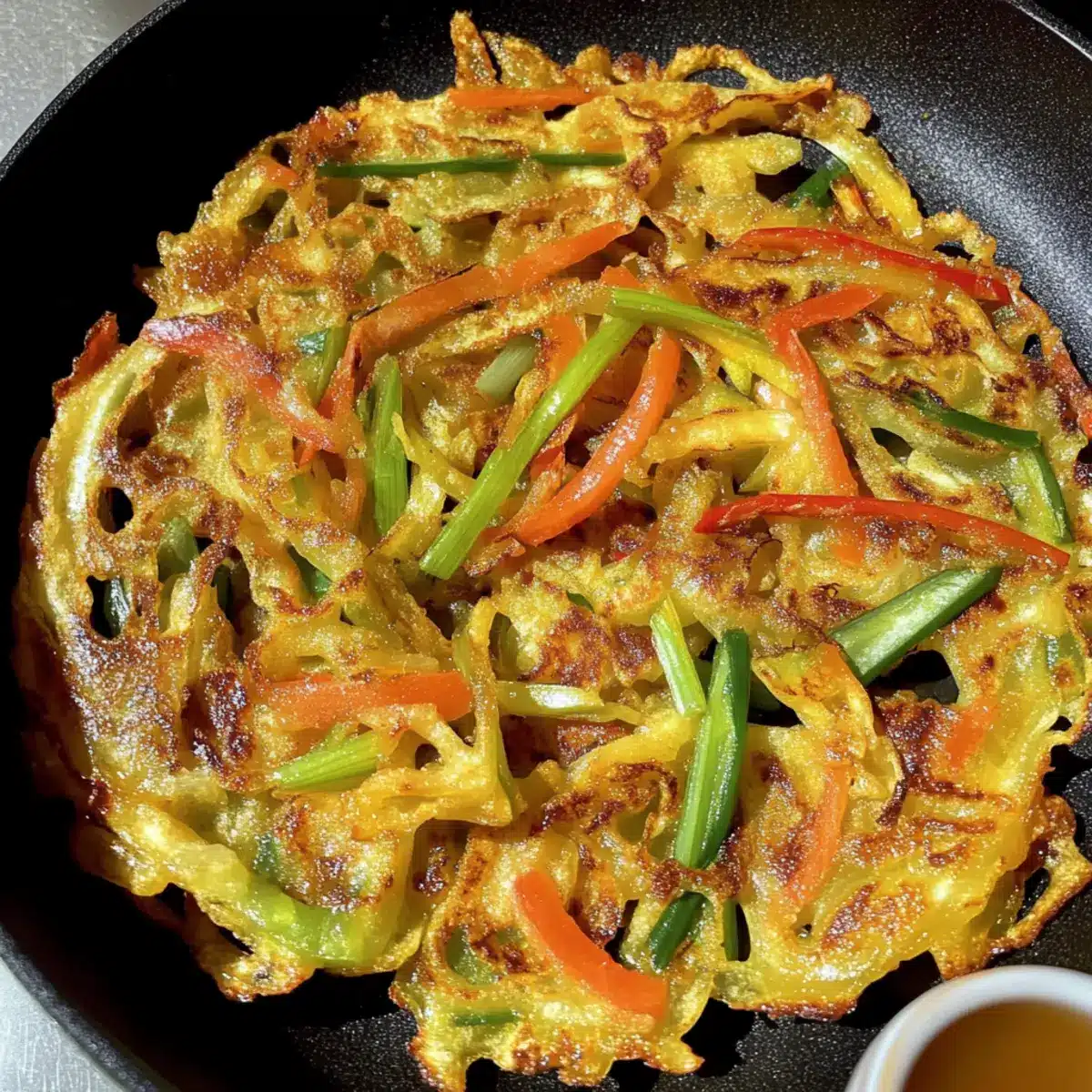
Korean Vegetable Pancakes Recipe FAQs
How do I choose ripe vegetables for the pancakes?
Absolutely! Look for fresh vegetables that are vibrant in color and firm to the touch. For instance, choose green onions that are crisp, red onions without any soft spots, and carrots that feel solid. Avoid any produce with dark spots or wilting, as freshness enhances not only flavor but also texture in your Korean Vegetable Pancakes.
What’s the best way to store leftover pancakes?
Very straightforward! Place your leftover Korean Vegetable Pancakes in an airtight container and refrigerate them for up to 3 days. This keeps them fresh while retaining their delightful flavors. When you’re ready to enjoy them again, reheat in a skillet with a splash of oil for about 2-3 minutes per side to restore their signature crispiness.
Can I freeze Korean Vegetable Pancakes?
Definitely! To freeze, place your cooked pancakes in a single layer on a baking sheet and freeze until solid. Once frozen, transfer them to an airtight container or freezer bag, where they can be stored for up to 2 months. When you’re ready to eat, just reheat in a hot skillet with a little oil for that lovely texture, or you can even pop them in the oven at 375°F (190°C) for about 10-15 minutes.
What if my batter is too thick or too thin?
No worries at all! If your batter seems too thick, gradually add a tablespoon of water at a time until you achieve a pourable consistency. Conversely, if it’s too thin, you can add a little more flour (start with a teaspoon) until it’s just right. The ideal batter should be thick enough to hold the vegetables yet thin enough to spread easily in the pan, creating a beautifully crispy texture when cooked.
Are there any dietary considerations for my Korean Vegetable Pancakes?
Great question! These pancakes can easily cater to a variety of dietary needs. To make them gluten-free, simply use a gluten-free flour blend. For those concerned about allergies, be mindful of the vegetables you choose; for example, you might want to avoid hot peppers if someone has a sensitivity to spice. Always feel free to customize the vegetable mix based on personal preferences or availability.
Can I use different vegetables in my Korean Vegetable Pancakes?
Absolutely! Get creative! You can substitute or add any seasonal vegetables you have on hand, such as zucchini, bell peppers, or even mushrooms for an extra layer of umami. Just remember to adjust your cooking time accordingly, as softer vegetables may require less cooking time in the pan. Enjoy experimenting!
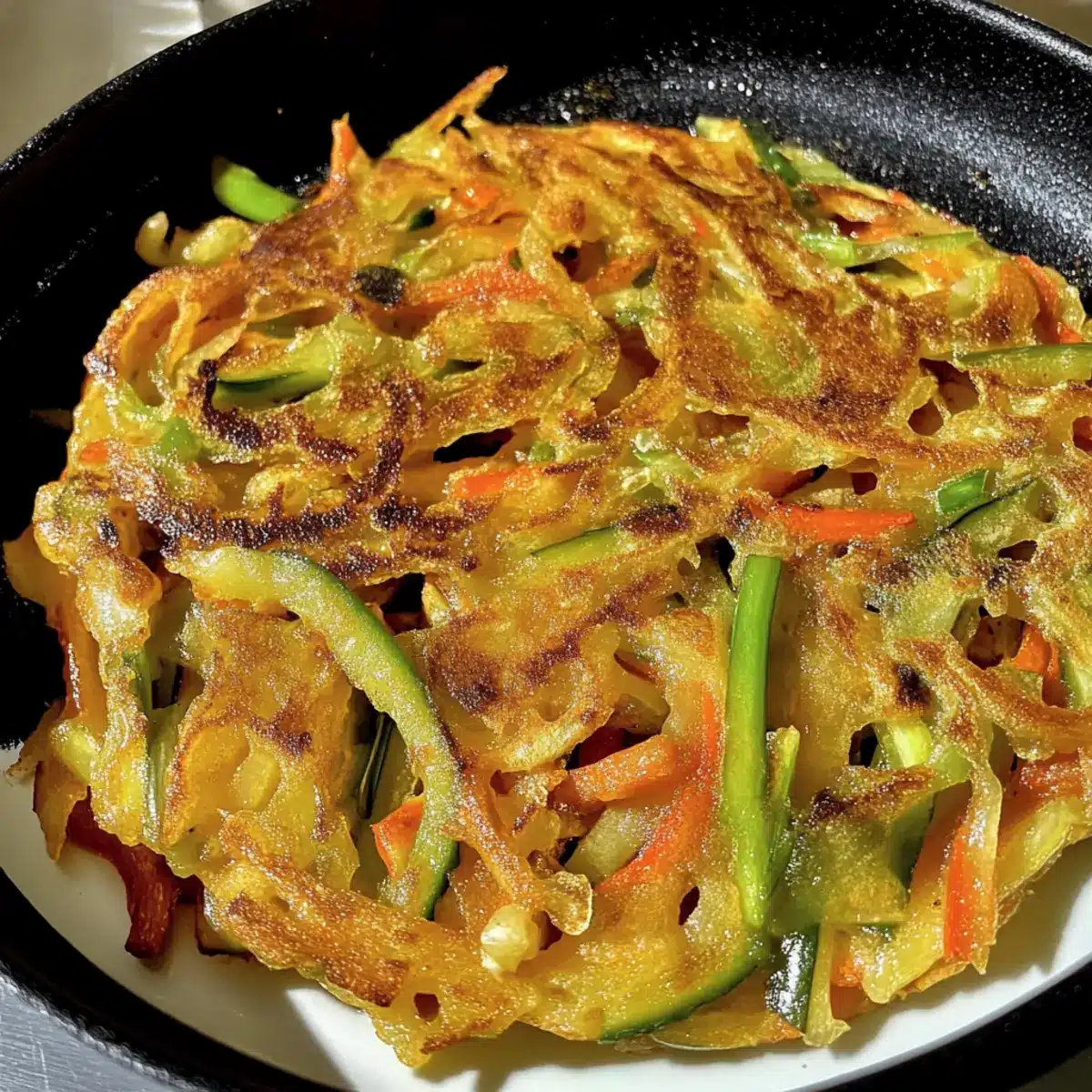
Crispy Korean Vegetable Pancakes You’ll Love to Munch On
Ingredients
Equipment
Method
- Slice the green onions, red onion, carrot, red pepper, and cabbage, and chop the hot pepper finely. Set aside.
- In a mixing bowl, whisk together flour, cornstarch, turmeric, salt, baking powder, and water until smooth.
- Fold the vegetables into the batter gently, ensuring they are evenly coated.
- In a small bowl, combine soy sauce, sesame oil, rice vinegar, toasted sesame seeds, and chili flakes. Whisk until blended.
- Heat a non-stick pan over medium heat and add oil, heating for 2-3 minutes.
- Spoon the batter into the hot pan, cooking until golden brown for 3-4 minutes per side.
- Cook remaining batter in batches, adding oil as needed. Serve warm with dipping sauce.
Leave a Reply