
As I stood by the oven, the rich aroma of herbs and roasting beef filled my kitchen, evoking memories of joyful gatherings around the dinner table. The centerpiece, a stunning prime rib roast, has a unique ability to elevate any occasion into something extraordinary. This Prime Rib Recipe is not only impressively simple, with minimal hands-on time, but it’s also a show-stopper that brings everyone together. Imagine slicing through the perfectly pink interior, revealing a tender, juicy roast enveloped in a crispy, flavor-packed crust. It’s the kind of dish that transforms any meal into a celebration, making it a perfect choice for those special holidays or family get-togethers. Are you ready to create your own culinary masterpiece that will have everyone raving? Let’s dive into the details!
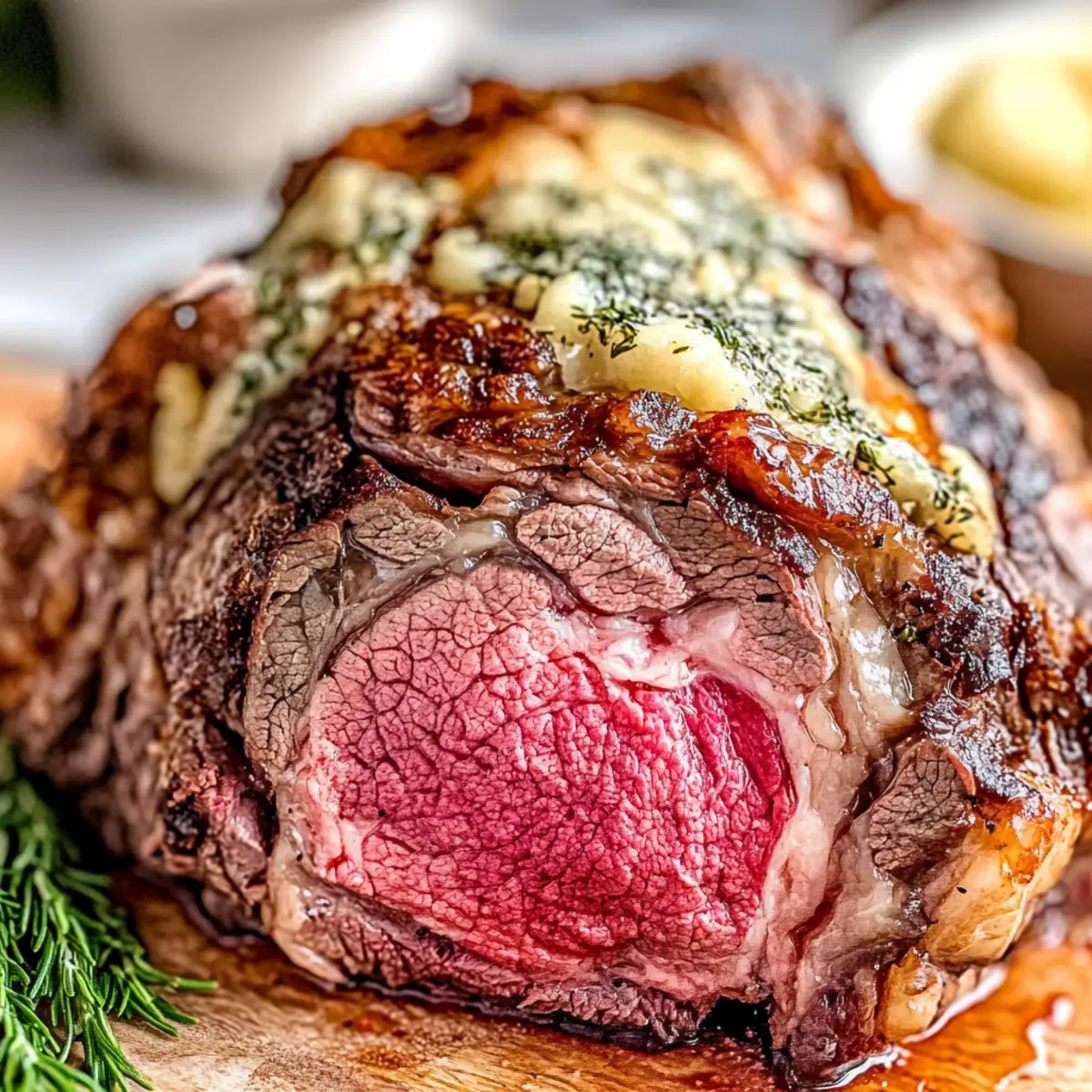
Why is Prime Rib the Ultimate Showstopper?
Impress your guests with this stunning centerpiece that looks as fantastic as it tastes. Rich, juicy flavor permeates every slice thanks to the perfect blend of herbs and the prime rib’s natural richness. Easy preparation means you’re just a few simple steps away from culinary success, even on busy holidays! Versatile for any occasion, this prime rib pairs beautifully with seasonal favorites like Yorkshire pudding and roasted vegetables. Lastly, time-saving techniques like overnight dry-brining ensure your roast is bursting with flavor, leaving you more time to enjoy with family and friends. Ready to elevate your dinner game? Give this recipe a try!
Prime Rib Recipe Ingredients
For the Roast
- Prime Rib Roast – The star of the show; provides both flavor and tenderness; boneless roast can be used with adjusted cooking times.
- Salt – Essential for enhancing flavors; go for kosher salt for even distribution.
- Black Pepper – For added depth and spice; freshly ground offers the best flavor experience.
- Garlic – Infuses aromatic richness; always use fresh garlic for optimal taste.
- Rosemary – Adds earthy notes; fresh rosemary brings potency to the dish.
- Thyme – Complements other flavors beautifully; if needed, oregano can be a suitable substitute.
- Olive Oil – This binds the herb paste together and adds moisture; use a quality extra virgin olive oil for best results.
For the Au Jus
- Beef Broth – Essential for creating a flavorful base; choose low-sodium for better control over saltiness.
- Red Wine – Adds depth and richness; opt for a dry red wine to enhance the flavors in the jus.
- Butter – Whisked in at the end adds a silky texture to your au jus; use unsalted to manage the final seasoning.
With these ingredients in hand, you’re well on your way to preparing your own magnificent prime rib recipe that will undoubtedly impress everyone at your table!
Step‑by‑Step Instructions for Ultimate Prime Rib Roast: A Jaw-Dropping Holiday Centerpiece
Step 1: Prepare the Roast
Remove the prime rib roast from the fridge and pat it completely dry with paper towels. If it isn’t already tied, use kitchen twine to tie it firmly at even intervals. This ensures the roast maintains its shape while cooking, allowing for an even distribution of heat and seasoning during your prime rib recipe.
Step 2: Make the Herb Paste
In a mixing bowl, combine kosher salt, freshly ground black pepper, minced garlic, chopped rosemary, and thyme with a generous drizzle of olive oil. Mix these ingredients to form a thick paste. Apply this herb mixture generously all over the surface of the roast, ensuring it’s well-coated, which will create a flavorful crust that’s integral to the prime rib recipe.
Step 3: Allow the Roast to Rest
Cover the seasoned roast with plastic wrap and refrigerate it overnight to deepen the flavors through dry brining. If you’re short on time, leave the roast at room temperature for about 2 hours before cooking. This resting step is crucial for creating a juicy interior while ensuring an even cooking process during the prime rib recipe.
Step 4: Preheat the Oven
Preheat your oven to 450°F (230°C) to create a hot environment for the initial searing of the roast. Once heated, place the prime rib bone-side down on a roasting rack set inside a roasting pan. This positioning allows for proper air circulation and helps with even cooking. Roast the meat at this high temperature for 20 minutes to develop a beautiful crust.
Step 5: Roast at a Lower Temperature
After 20 minutes, without opening the oven door, reduce the temperature to 325°F (160°C). Continue roasting until the internal temperature of the prime rib reaches 130°F for medium-rare, approximately 1.5 to 2 hours depending on the roast size. Check the temperature with a meat thermometer inserted into the thickest part of the meat to ensure perfect doneness in your prime rib recipe.
Step 6: Rest Before Carving
Remove the prime rib from the oven and tent it loosely with aluminum foil. Allow the roast to rest for 20 to 45 minutes, depending on your timing. This step is essential because it allows the juices to redistribute throughout the meat, ensuring every slice remains tender and juicy in your ultimate prime rib roast.
Step 7: Prepare the Au Jus
While the roast rests, prepare the au jus. In a saucepan over medium heat, combine the pan drippings with low-sodium beef broth and a splash of dry red wine. Bring the mixture to a simmer, then whisk in unsalted butter for a silky finish. This flavorful sauce will enhance your prime rib recipe and offer a wonderful complement when serving.
Step 8: Slice and Serve
Finally, slice the rested prime rib into thick, juicy portions. Serve the meat drizzled with the rich au jus and accompany it with optional horseradish cream for added zest. This elegant presentation will make your prime rib recipe a remarkable dish that’s sure to impress at any gathering.
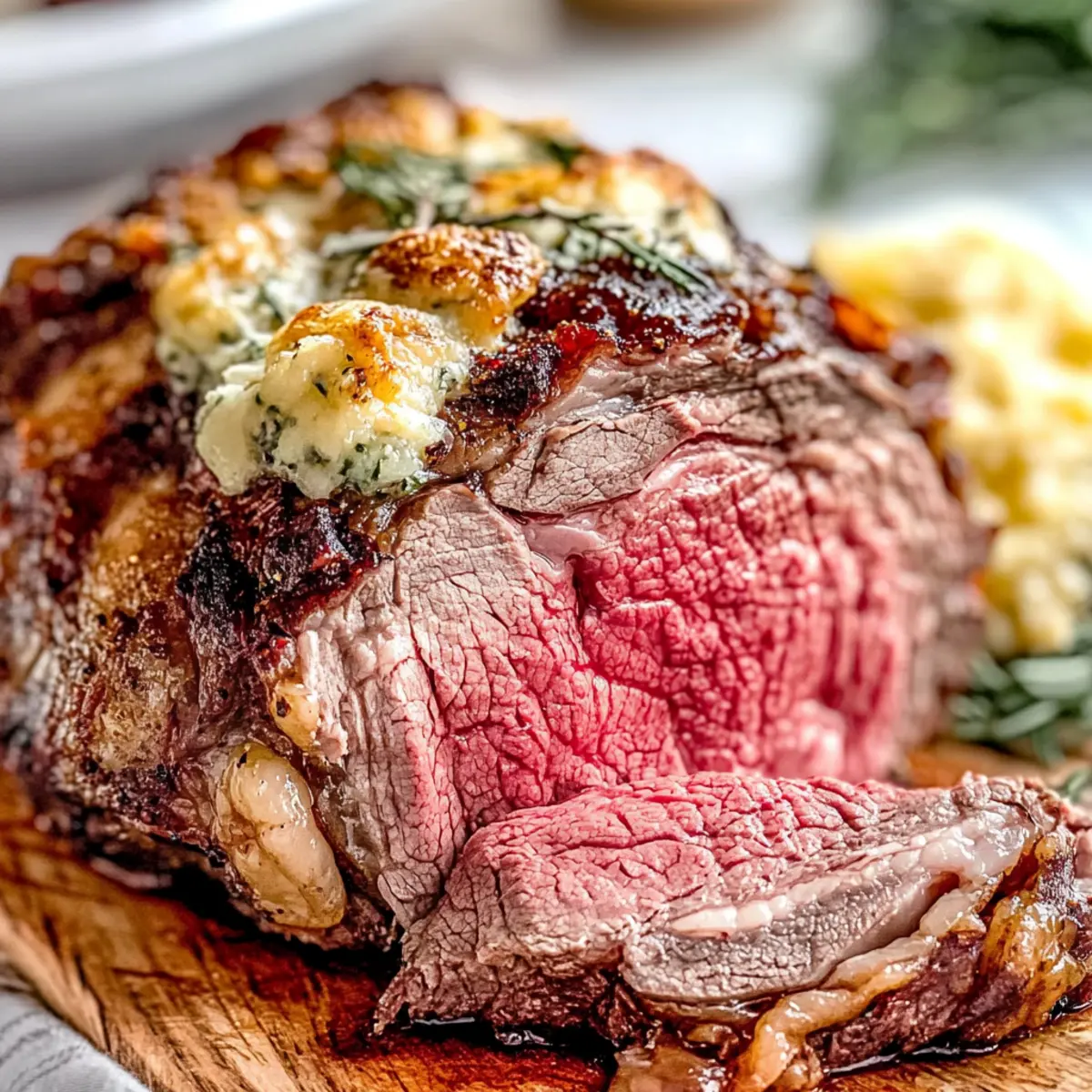
What to Serve with Ultimate Prime Rib Roast?
The perfect dinner deserves equally delightful companions that will round out the flavors and elevate your dining experience.
-
Creamy Mashed Potatoes: Rich, buttery mashed potatoes provide a satisfying counterpart to the tender beef, soaking up the luscious au jus beautifully.
-
Garlic Roasted Brussels Sprouts: These honey-glazed sprouts add a hint of sweetness and delightful crunch, balancing the savory roast perfectly. A sprinkle of balsamic vinegar brings them to life!
-
Yorkshire Pudding: This classic accompaniment is a must-have, soaking up the delicious juices while offering a unique, chewy texture that complements the prime rib’s tenderness.
-
Seasonal Roasted Vegetables: Colorful seasonal vegetables offer vibrant flavors and textures. Think carrots, parsnips, and squash lightly seasoned and caramelized, creating a beautiful presentation.
-
Caesar Salad: A crisp and tangy Caesar salad adds a refreshing contrast to the rich flavors of the prime rib. The crunchy croutons and creamy dressing are delightful!
-
Full-Bodied Red Wine: Choose a robust Cabernet Sauvignon or Merlot to enhance the meaty flavors of the roast. The wine’s tannins will harmonize beautifully with the juiciness of the prime rib.
-
Horseradish Cream Sauce: Serve this spicy accompaniment on the side for those who enjoy an extra kick. Its bold flavor cuts through the richness of the beef, offering a brilliant contrast.
-
Chocolate Lava Cake: For dessert, consider a warm chocolate lava cake whose gooey center and rich chocolate flavor will be a sweet ending to your perfect meal.
Make Ahead Options
These Ultimate Prime Rib Roasts are perfect for meal prep enthusiasts! You can season the roast with the herb paste (salt, pepper, garlic, rosemary, thyme, and olive oil) up to 24 hours in advance by covering it tightly and refrigerating. This allows for a deep flavor infusion while ensuring a perfectly crispy crust when cooked. If you have leftovers, they can be refrigerated for up to 4 days or frozen for up to 3 months; just reheat gently in the au jus to maintain their juicy texture. When it’s time to serve, follow the roasting instructions as detailed for a stunning centerpiece that is just as delicious as if freshly prepared!
Storage Tips for Prime Rib Recipe
-
Room Temperature: Prime rib should not be left out at room temperature for more than 2 hours to prevent bacterial growth.
-
Fridge: Store leftovers in an airtight container in the fridge for up to 4 days, ensuring the prime rib is completely cooled before sealing.
-
Freezer: For longer storage, wrap it tightly in plastic wrap and then in aluminum foil to avoid freezer burn. Prime rib can be frozen for up to 3 months.
-
Reheating: Gently reheat your prime rib in a saucepan with a splash of au jus or broth over low heat, or in a preheated oven at 250°F (120°C) until warmed through, preserving its juicy texture.
Prime Rib Recipe Variations and Substitutions
Feel free to explore these delightful variations to make this Prime Rib Recipe even more memorable and tailored to your taste!
-
Herb-Crusted:
Add herbs like oregano or sage to the seasoning mix for an aromatic twist. Each herb brings its unique flavor that enhances the overall experience. -
Garlic Lover’s:
For those who adore garlic, slice small slits in the roast and insert whole garlic cloves before seasoning. This infusion creates a savory bite that will surely delight everyone at the table. -
Spicy Variation:
Kick it up a notch with a dash of cayenne pepper in your herb rub. This adds a subtle heat that contrasts perfectly with the richness of the roast. -
Coffee-Rubbed:
Introduce ground coffee into your spice mix for an unexpected depth of flavor. It adds a slightly smoky richness that elevates the prime rib experience. -
Umami Boost:
Incorporate Worcestershire sauce into the herb paste for an additional umami flavor. This rich, savory note will leave your guests wondering just what your secret ingredient is! -
Balsamic Glazed:
Brush the roast with balsamic vinegar before applying the herb paste. The sweetness from the balsamic caramelizes beautifully, offering an elegant finish. -
Smoky Flavor:
If you love that smoky taste, consider using smoked paprika in your rub. This simple swap infuses a complex flavor that shines through each slice of meat.
For fantastic meal pairings, consider serving your prime rib alongside seasonal vegetables or with a hearty side of Yorkshire pudding. If you’re looking for further inspiration, check out my recipes for Teriyaki Chicken Wrap or One Pan Greek to round out your dinner table. Enjoy customizing this classic dish to fit your family’s preferences!
Expert Tips for a Perfect Prime Rib
-
Use a Meat Thermometer: Always rely on a meat thermometer instead of cooking times to ensure your prime rib is done to your liking, particularly for the best results in this prime rib recipe.
-
Room Temperature Roast: Let the roast sit at room temperature for about two hours before cooking. This promotes even cooking and prevents a cold center.
-
Dry-Brining Benefits: Don’t skip the dry-brining step, as it intensifies flavor and promotes a significant crust formation, making your prime rib recipe a showstopper.
-
Resting Time is Key: After roasting, tent the prime rib and allow it to rest for at least 20 minutes. This time helps retain juices, making every slice juicy and delicious.
-
Ensure a Dry Surface: If the crust isn’t forming properly, make sure the roast is thoroughly dried before seasoning it. A wet surface won’t create that desirable crispy crust in your prime rib recipe.
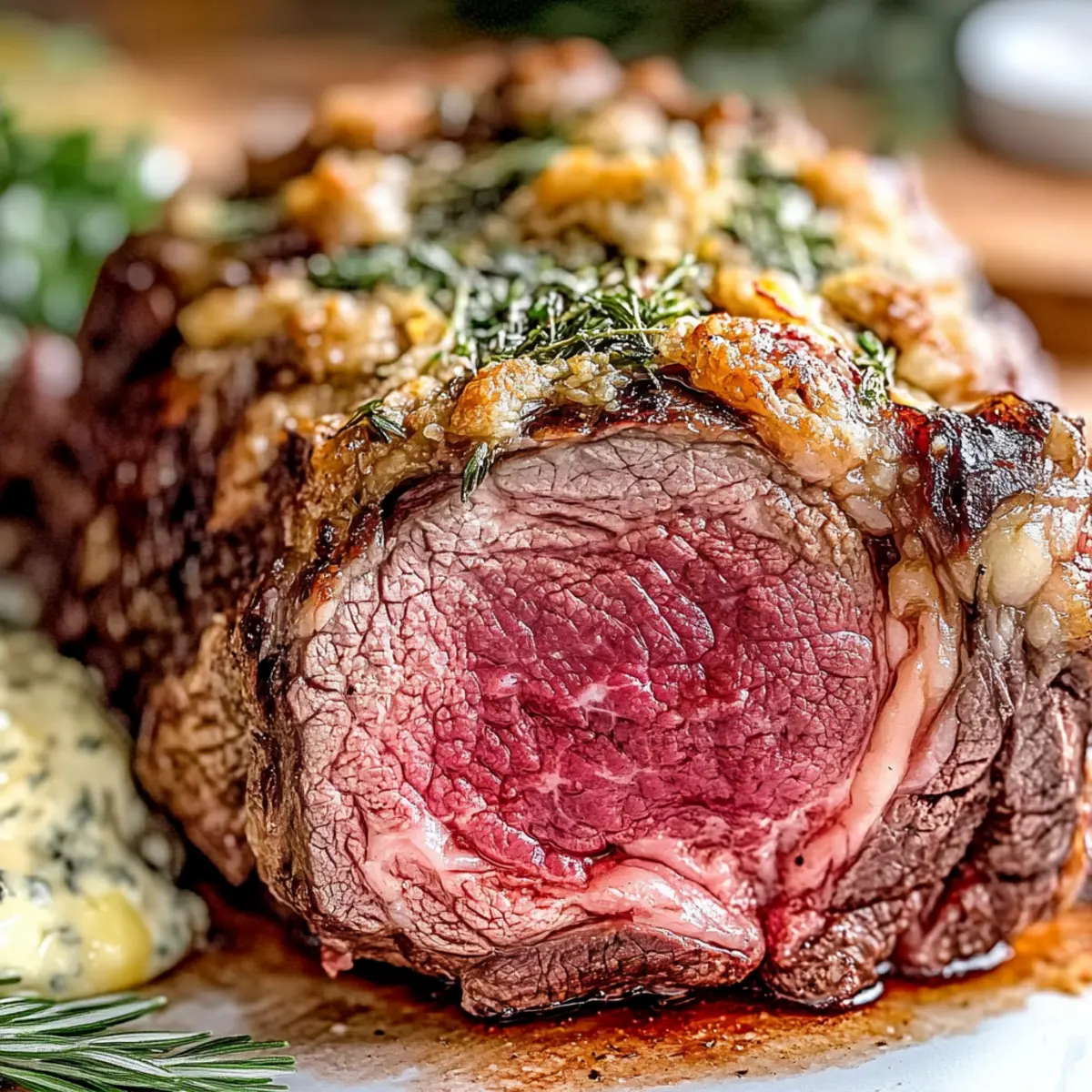
Prime Rib Recipe FAQs
How do I select the perfect prime rib for my recipe?
Absolutely! When selecting a prime rib, look for one that has a good marbling of fat throughout the meat; this intramuscular fat will render during cooking, keeping the roast juicy and flavorful. The ideal weight for a roast is usually between 3 to 7 pounds, as it provides ample meat for larger gatherings while ensuring even cooking. Check for a bright red color and avoid pieces with dark spots or excessive liquid.
How should I store leftover prime rib?
Very! After your gathering, let the prime rib cool down before storing. Place it in an airtight container and refrigerate; it’ll stay fresh for up to 4 days. If you want to keep it longer, wrap it tightly in plastic wrap and then aluminum foil to prevent freezer burn. In the freezer, it can be preserved for up to 3 months, ready for you to enjoy again with minimal hassle!
Can I freeze prime rib, and if so, what’s the best way to do it?
Certainly! To freeze your prime rib, wrap it tightly in plastic wrap first; this prevents moisture loss. Next, wrap it again in aluminum foil or place it in a heavy-duty freezer bag to block air. Label it with the date and freeze it for up to 3 months. When ready to reheat, thaw it in the refrigerator overnight before warming gently in a preheated oven at 250°F (120°C) for the best results.
What are some common issues when making prime rib and how can I troubleshoot them?
Absolutely! One common issue is when the roast doesn’t develop a crust. This can happen if the roast is too wet before seasoning. To fix this, pat it completely dry with paper towels before applying your herb paste. Another problem is cooking it too long and drying it out; always use a meat thermometer! For medium-rare, aim for an internal temperature of 130°F, and be sure to let it rest afterward for those juicy slices you desire.
Is prime rib suitable for special diets, such as gluten-free?
Absolutely! This prime rib recipe is naturally gluten-free, so you can confidently serve it to your gluten-sensitive guests. Just be cautious with any accompanying sauces or sides; for instance, ensure your au jus is made with gluten-free broth and wine. Additionally, always communicate with your guests about any allergies to the seasonings or ingredients to guarantee a delightful dining experience for everyone!
How long should I let my prime rib rest before carving?
Very! Resting is crucial; let your prime rib rest under a loose tent of foil for at least 20 to 45 minutes after removing it from the oven. This resting period allows the juices to redistribute, ensuring that each slice is as succulent and tender as possible. Cutting too soon can lead to lost juices, resulting in a drier roast.
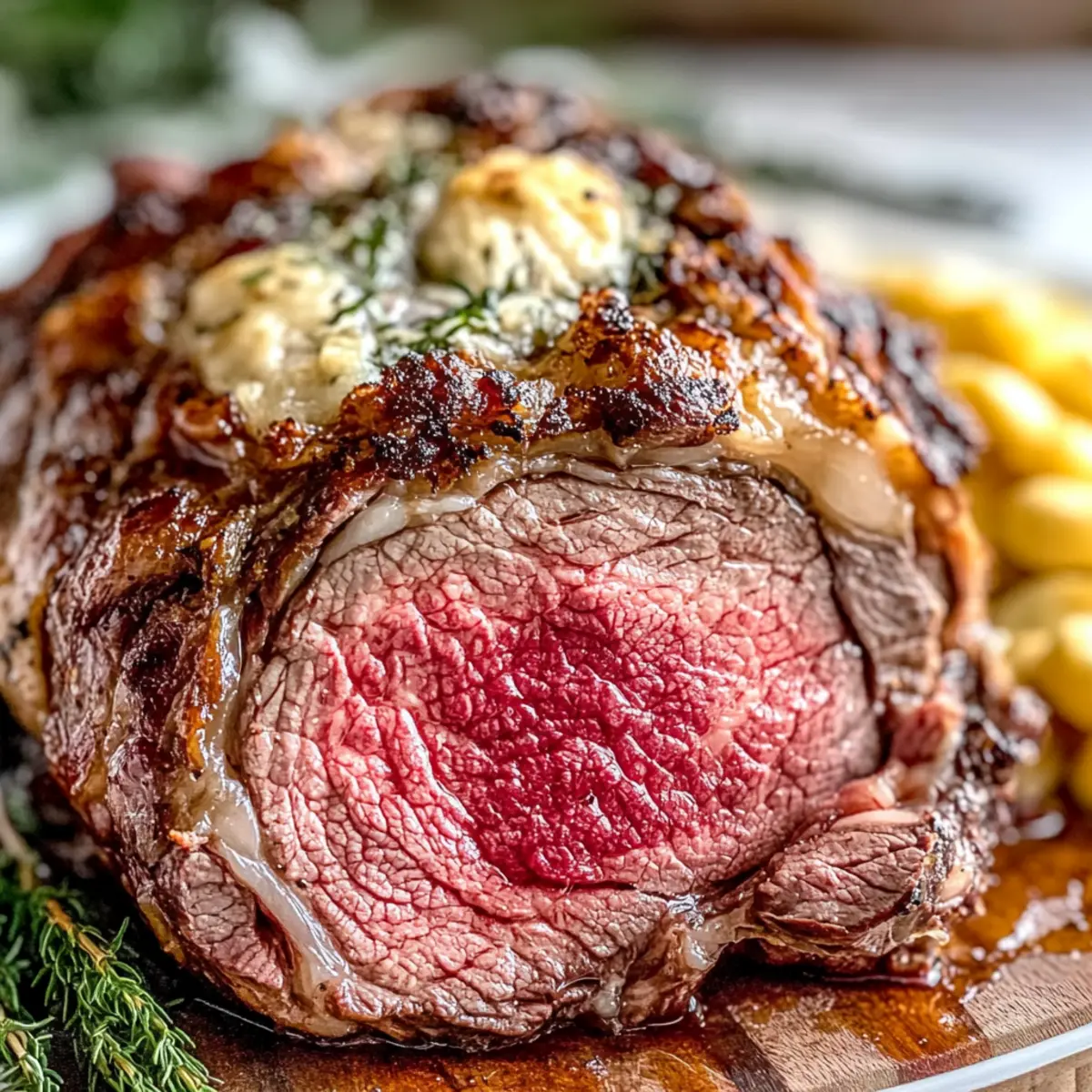
Savory Prime Rib Recipe: Your Holiday Showstopper Awaits
Ingredients
Equipment
Method
- Remove the prime rib roast from the fridge and pat it completely dry with paper towels.
- If it isn't already tied, use kitchen twine to tie it firmly at even intervals.
- In a mixing bowl, combine kosher salt, freshly ground black pepper, minced garlic, chopped rosemary, and thyme with a generous drizzle of olive oil to form a thick paste.
- Apply the herb mixture generously all over the surface of the roast.
- Cover the seasoned roast with plastic wrap and refrigerate it overnight or leave at room temperature for about 2 hours.
- Preheat your oven to 450°F (230°C).
- Place the prime rib bone-side down on a roasting rack set in a roasting pan and roast for 20 minutes.
- Reduce the temperature to 325°F (160°C) and continue roasting until the internal temperature reaches 130°F.
- Remove the prime rib from the oven and tent it loosely with aluminum foil, letting it rest for 20 to 45 minutes.
- In a saucepan, combine pan drippings with low-sodium beef broth and a splash of dry red wine, bring to simmer, and whisk in unsalted butter.
- Slice the rested prime rib into thick portions and serve drizzled with au jus.
Leave a Reply